





Why Global Fashion Brands Are Nearshoring to Turkey in 2026
The era of ultra-long supply chains is ending. After years of disruption, fashion brands have learned a hard lesson: distance is risk. Speed, flexibility and proximity now matter as much as unit cost, and that is exactly where Turkey wins.
The new sourcing equation
For decades, sourcing decisions were dominated by one number: the landed cost per piece. Today, leading brands optimise for a wider set of variables.
- Speed to market, trends move in weeks, not seasons
- Inventory risk, smaller, more frequent orders beat large bets
- Resilience, a shock on one continent shouldn't halt production
- Compliance, buyers demand audited, transparent factories
Turkey sits at the intersection of all four.
Proximity is a superpower
From Istanbul, a truck reaches Central Europe in days, not weeks. That single fact changes everything: brands can test a design with a small run, read the sell-through, and reorder the winners before the season ends.
Nearshoring isn't about producing closer for its own sake. It's about converting speed into fewer markdowns and higher full-price sell-through.
Craftsmanship built over generations
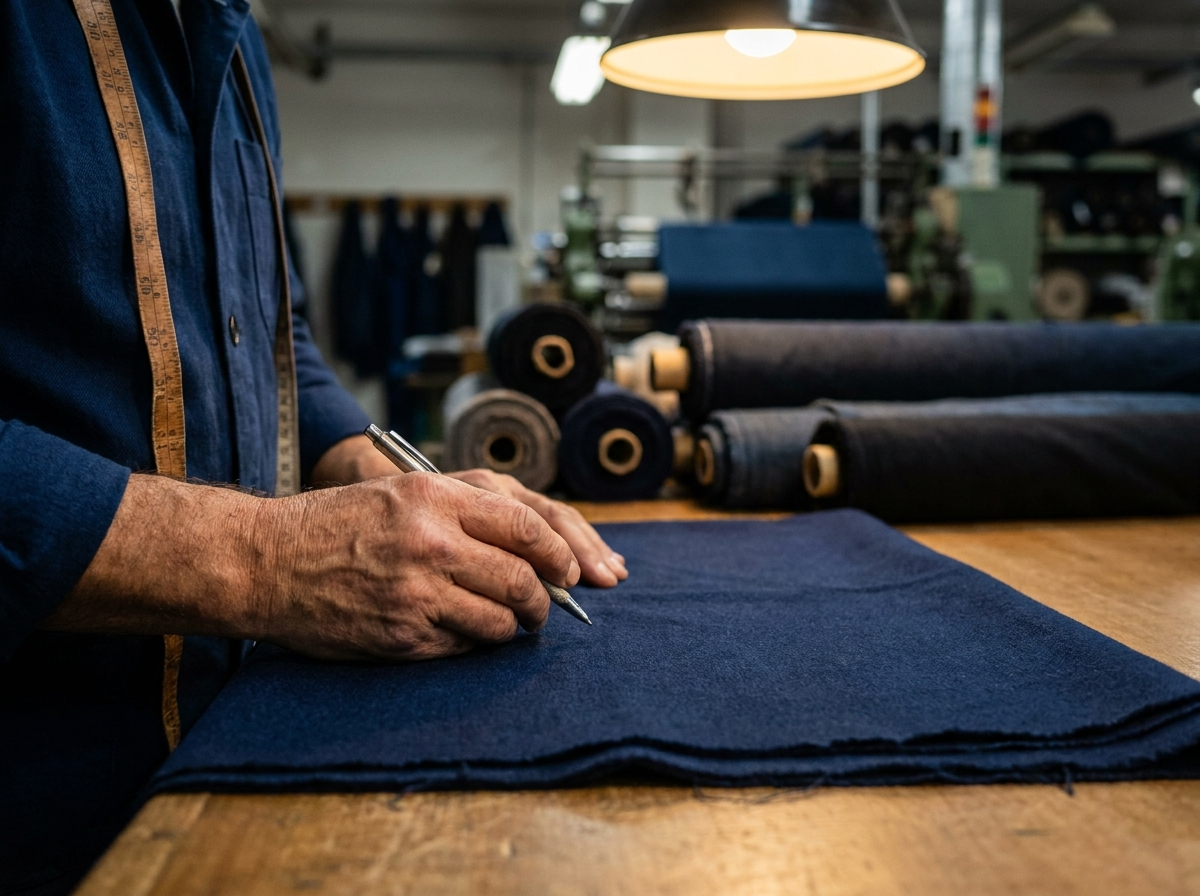
Turkey's textile heritage is not a marketing line, it is infrastructure. Vertically integrated mills, specialised finishing houses and a deep bench of skilled labour mean brands can source everything from organic cotton basics to technical performance fabrics in one ecosystem.
What this means for your brand
If your current supply chain forces you to commit months ahead and absorb the risk of getting it wrong, nearshoring to Turkey is the structural fix. You gain:
- Shorter, more predictable lead times
- Lower minimums to test before you scale
- On-the-ground quality control protecting your standards
- A single, accountable partner managing the whole operation
The brands that move first will own the speed advantage. The rest will spend the next few years catching up.